A CallPages page can now live on the business's own domain. Customers visit the address the business already prints on its cards and signs, and the call page — its AI agent, its store, its bookings — answers there, unchanged.
Until now, every CallPages page lived at callpages.me/p/<name> — a good address, but somebody else's. A business with its own domain had to choose between the address its customers already knew and the page that answers its calls, or maintain a website that pointed at a page somewhere else.
An address is an asset
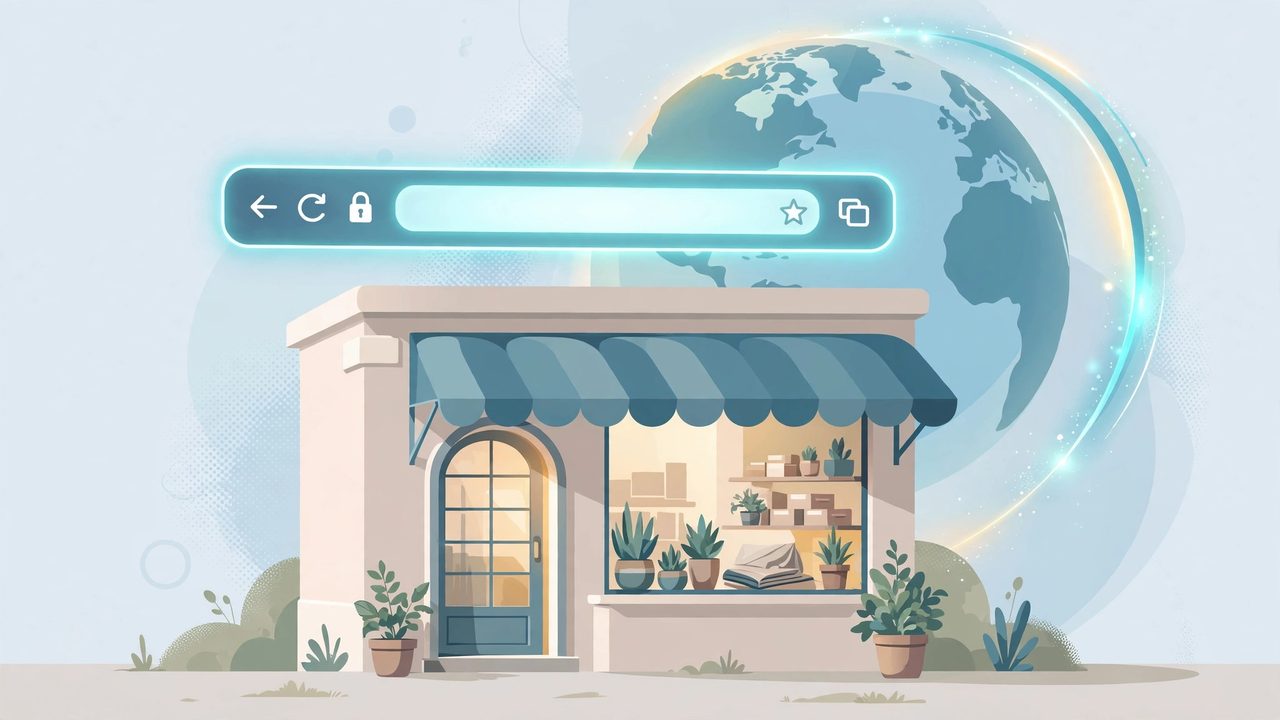
Businesses spend years teaching customers one address. Every sign, vehicle, and business card repeats it. A page that can live at that address inherits all of that teaching for free — and stops asking customers to learn a second one.
One page, two doors

Custom domains do not fork the page. The catalog an owner edits is the catalog both addresses serve; the calls both addresses take land in the same Activity. The domain is a door, and doors do not need their own kitchens.
How it works
- The owner connects the business's domain to the page; from then on, the page answers on that domain with everything it has — call, store, products, and website.
- It is the same page, not a copy: one catalog, one agent, one Activity record, whether the customer arrives via the custom domain or the callpages.me address.
- The address a business already advertises — the one on the truck, the receipt, the Instagram bio — becomes the working front door instead of a redirect.
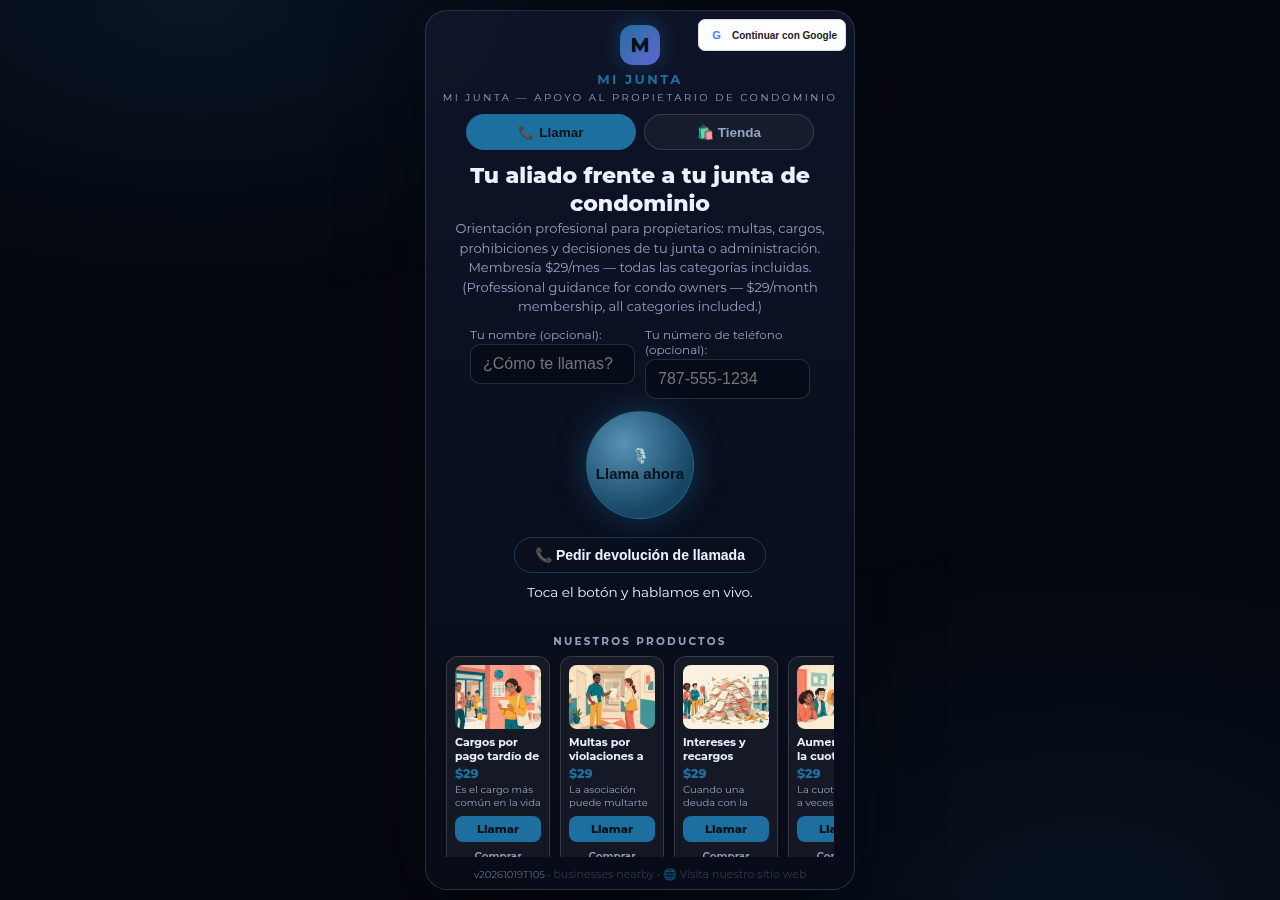
See it live: Mi Junta
Mi Junta — CallPage · Mi Junta — website
Related reading
 One console for every account
 Appointments live inside the call now
Create a page you can put on your own domain →
Innovation by Vasily Starostenko, founder of CallPages.